Home
Oregon Forest Resources Institute

Main navigation

  • Forest basics
    • History
    • Forest types/tree guide
      • Forest types map
      • Working forest
      • Old Growth
      • Online tree guide
    • Wildlife guide
    • Carbon
    • Forest science
      • Water Cycle
      • Photosynthesis
      • Tree Biology
    • Forest benefits
    • Forest threats
      • Fire
      • Insects
      • Tree disease
      • Climate change
      • Conversion
    • FAQ
  • Forest management
    • Private forest accord
    • Sustainable management
    • Forest ownership (map)
    • Forest laws
      • Replanting
      • Water protection
      • Habitat protection
      • Harvest
      • Forest roads
      • Herbicides
      • Landslides
    • Harvesting trees
      • Balancing competing objectives on public forests
      • Thinning for forest health
      • When is clearcutting the right choice?
    • Forest products
      • Softwood Lumber
      • Engineered Wood
      • Mass Timber Building
      • Special Forest Products
    • Facts & figures
    • Economics
    • Trees to tap
    • 2020 Labor Day Fires
  • Educational programs
    • Publication library
    • Video library
    • Image galleries
    • K-12 programs
    • Rediscovery forest
    • Landowner education
  • About Ofri
    • About OFRI
    • Staff & board
    • Board meetings & materials
    • Blog
    • News & social
    • News releases
    • Press materials
    • Public review
/cart
 
  • Threats to our forests

    Oregon’s forests provide a host of benefits to our state, including clean air and water, fish and wildlife habitat, recreation and scenic beauty. But our forests are vulnerable to multiple threats. Some are natural factors such as fire, insects, disease, or wind and ice storms. Others, such as climate change, invasive species and forestland conversion, are a result of human activity. Each threat can have a devastating impact on the landscape, offsetting the careful balance required for a forest to stay healthy and resilient.

    Threats to our forests card
  • Fire in Oregon’s forests

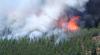
    Wildfires are a natural occurrence in Oregon’s forests, especially in the state’s “dry forests,” where periodic burns actually contribute to overall forest health. Many plants and trees have adapted to wildfires, and some species can’t survive without them. For example, a lodgepole pine needs heat from wildfires for its cones to open and release seeds. In central and eastern Oregon, periodic low-intensity wildfires burn away smaller trees and brush. This fosters the regrowth of new trees and plants.

    Forest collaborative groupsIn central and eastern Oregon, forest collaborative groups are bringing together a diverse group of stakeholders, including representatives from the conservation community and the timber industry, to find consensus on improving the fire resiliency of public forests.

    "
  • Combating tiny pests

    Insects are small, but they pose a big threat to Oregon’s forests.Pests such as bark beetles can detect when a tree is stressed from drought, root disease or storm damage. That’s when they attack, burrowing through tree bark to lay their eggs. Bark beetles often kill trees that are already suffering, and the results can be devastating, especially in central and eastern Oregon.

    "
  • Climate change and Oregon’s forests

    Climate change amplifies the effects of forest threats, such as fire and insects. Rising temperatures and prolonged droughts in some parts of Oregon are impacting forests in a number of ways, according to researchers from Oregon State University’s College of Forestry and Portland State University’s School of the Environment. This includes contributing to longer, more intense fire seasons and increased insect and disease outbreaks.

    Distance view of trees
  • Conversion

    An entirely human-caused threat to forests is conversion to other land uses. In other parts of the world, destruction of forestland for agricultural use continues to be a major threat. But when forestland is lost in Oregon, it tends to happen because of residential or commercial development.

    a suburb in a forest
  • Wildlife of Oregon’s forests

    Oregon’s forests are home to an array of wildlife. This interactive guide provides a snapshot of the variety of forest-dwelling animals found in the state.Protecting forestland from development is a great way to minimize habitat loss for species that rely on forests. Forest landowners can also use forest management techniques to maintain, enhance and even create habitat for birds, mammals and amphibians while still managing lands for timber production.

    a bird in a tree
  • Ask a forester

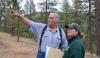
    OregonForests.org examines complex forest issues and provides a broad overview on a variety of topics. Of course, sometimes people just have questions about the basics.Below is a list of frequently asked questions. These questions have been answered by working foresters.Don’t see your forest-related question answered here? ASK ONE OF OUR FORESTERS.Frequently asked questions:

    two people in a forest, one is pointing
  • Private Forest Accord

    Oregonians want healthy forests. We all want good salmon runs. We all want economic stability. We all want more common ground.

    Two hands shaking in a greeting
  • Board Meetings and Materials

    OFRI Board of Directors meetings2025 Schedule2026 ScheduleNext meetings:Budget Working Group MeetingNov. 4, 2025VirtualAgenda Past board meeting materialsOct. 7, 2025, Agenda

  • When is clearcutting the right choice?

    A clearcut is an area of forestland where most of the standing trees are logged at the same time and a few trees remain post-harvest. Forested buffers are left around streams and lakes, and the area is replanted within two years of harvest. The practice of clearcutting has changed dramatically in recent years in response to public concerns, scientific findings and advanced harvest practices.

    "
  • Discover the Rediscovery Forest

    The Rediscovery Forest, co-sponsored by the Oregon Forest Resources Institute and The Oregon Garden, is an actively managed working forest that is used for educational purposes. It is located in the park-like environment of The Oregon Garden, an 80-acre botanical garden in Silverton. Visitors to the 15-acre forest can learn about different types of forests and discover why forest management is essential to sustaining our quality of life in Oregon.

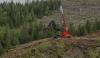
    Harvest at the Rediscovery ForestTo promote more growth and long-term health in the dominate 40-year old trees a commercial thinning operation was conducted. Local contractors used a computer-aided mechanical harvester that felled and delimbed selected trees and then bucked the logs. Following nearby on a trail of limbs left by the harvester to minimize soil disturbance, a forwarder then picked up the logs. In total, 10 loads of logs were hauled to local saw and chip mills.

  • Wood Products in Our Daily Lives

    No matter where you are this very moment, chances are there’s a product made with wood right within your reach. Oregon dominates U.S. production of softwood lumber and plywood. Today it is also a leader in engineered wood, and home to the first mill in the United States to manufacture structurally certified cross-laminated timber or CLT. This means your house or apartment, or even your office building, could have been built using wood products made right here in the state.

    Made in OregonOregon’s wood products industry is a traded sector, with close to 75 percent of all products made here sold outside the state. This generates revenue that supports mill jobs in Oregon timber towns. Here are some of the many different types of products that can be made from trees harvested in Oregon:

    Learn more about forest products and green buildingHere are some of the many different types of products that can be made from trees harvested in Oregon:

  • Sustainable forest management is key

    The World Commission on Environment and Development defines sustainable development as “development that meets the needs of the present without compromising the ability of future generations to meet their own needs.”


    Forest and trees that have been harvested
  • Oregon’s forest protection laws

    Sustainability is at the core of Oregon's laws regarding forest practices and land use planning. Oregon law states that the continued growing and harvesting of trees is the leading use of private forestland. And it requires landowners to protect soil, air, water and wildlife habitat for future generations.

    a tree trunk with spray paint on it
  • Oregon's forest economy

    Many communities throughout Oregon, especially those in rural areas, depend on forests for their livelihood. According to the most recent statistics, Oregon’s forest sector supports more than 62,000 direct jobs throughout the state in forest management and forest products manufacturing and distribution - about 3 percent - of total statewide employment.

    Forest jobsOregonians are employed in a variety of forest-related jobs, from forestry, logging, millwork and cabinetmaking to engineering, hydrology, business management and academic research. This is what is known as the “forest sector.” The sector encompasses a diverse array of career paths that include firefighters, ecologists, park rangers, wildlife and fish biologists, and more. 

    "
  • Reforestation is Oregon law

    It is a cornerstone of Oregon’s forest practices rules. Requiring landowners to promptly replant trees after a timber harvest means future Oregonians will enjoy the same forest resources we do today, including wood products, healthy watersheds, recreational opportunities, and thriving fish and wildlife habitat.In a typical year, Oregon forest landowners plant about 40 million seedlings every year. And far more trees are planted each year than are harvested.

    Seedlings, seedlings and more seedlingsPlanting.Landowners must complete replanting of harvested ground within two years.Ensuring success.Within six years of harvest, the young trees must be “free-to-grow.” That means they are vigorous and tall enough to out-compete grass and brush, and will grow into a new forest.Trees per acre.Depending on the site, the rules require that at least 100 to 200 trees per acre survive during reforestation, but landowners typically plant about 400 seedlings per acre.

    a sapling growing on a cliff in the forest
  • Protecting water quality and fish habitat

    Much of Oregon’s municipal water originates in forested watersheds, including those managed for wood production. As rain or snowmelt soaks into healthy forest soils, it is naturally filtered and over time is released to nearby streams or groundwater aquifers. To protect fish and safeguard drinking water sources, Oregon's forest practices laws restrict timber harvesting, road building and the use of chemicals near streams and other water bodies.

    "
  • Thoughtfully constructed roads

    Forest roads are essential for getting timber to the mill, and for fighting wildfire. Yet some roads, especially older roads, are a source of sediment flowing into streams.With significant amounts of research and innovation over the past couple decades, the way forest roads are built – and where they are built – has been overhauled.Newer, higher standardsLocation is key

    "
  • Protecting wildlife habitat

    All of Oregon’s forests – whether they’re mostly new growth, old-growth or somewhere in between – provide habitat for wildlife. Historically, windstorms or fires created openings in the forest that eventually regrew, leading to a mosaic of different tree ages across the landscape. As a result, some animal species are dependent on young forests, while others thrive in middle-age or older forests. Young, open forests, for example, are especially important for migrating songbirds, while older forests are vital to species such as the northern spotted owl.

    A decayed tree with holes for habitat
  • Facts about Oregon’s forests

    Every two years, the Oregon Forest Resources Institute compiles the latest data on Oregon’s forests into a detailed reference guide called Oregon Forest Facts. It contains a series of charts, graphs and maps that tell the story of the state’s forests and forest-based economy.

    "

Pagination

  • First page « First
  • Previous page ‹‹
  • …
  • Page 22
  • Page 23
  • Page 24
  • Page 25
  • Page 26
  • Page 27
  • …
  • Next page ››
  • Last page Last »
Image
Footer logo

9755 SW Barnes Rd., Suite 210        
Portland, OR 97225        
Phone: 971-673-2944        
Fax: 971-673-2946

Social Links

  • Twitter
  • Youtube
  • Facebook
  • Linkedin

Footer

  • Related Websites
    • OregonForestFacts.org
    • OregonForestLaws.org
    • LearnForests.org
    • KnowYourForest.org
  • Contacts
    • K-12 Contact
    • Landowner Contact
    • Media Contact

© 2025 All Rights Reserved

Site Map